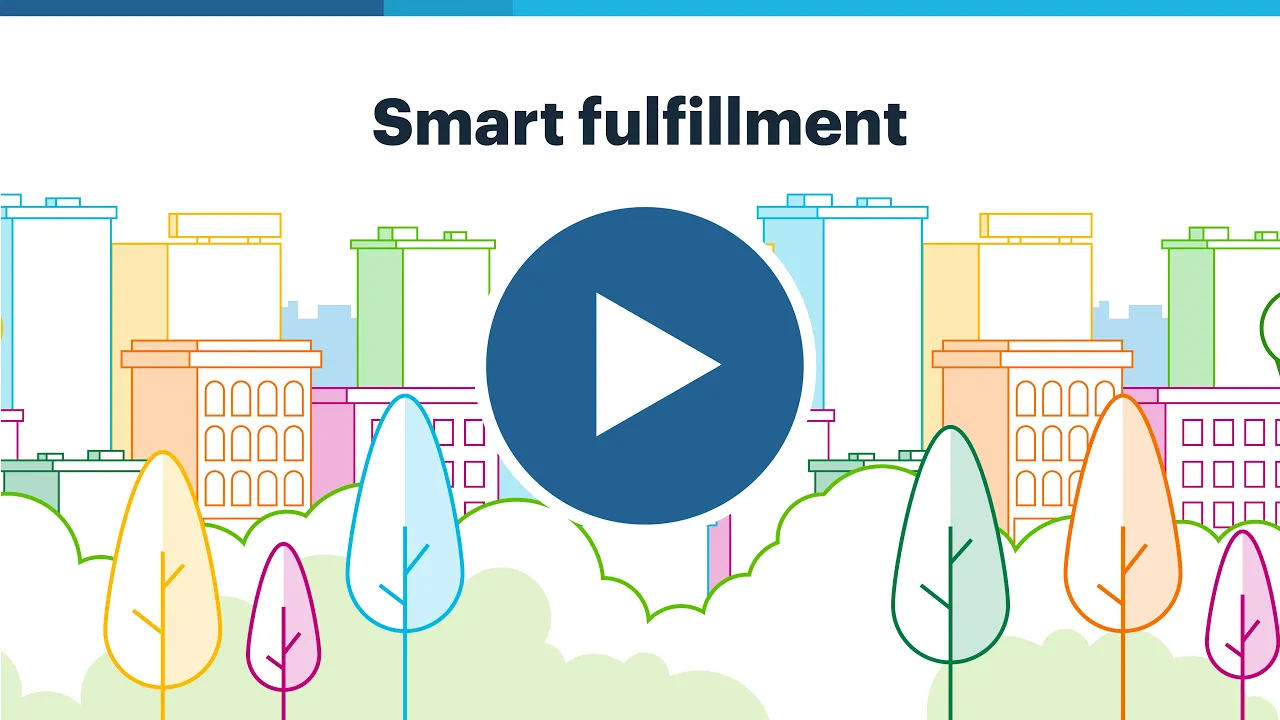


Explaining an abstract library workflow to a non-library audience in under two minutes is harder than it sounds.
Smart Fulfillment isn't a tangible product. It's a behind-the-scenes process most library patrons never see, and making it legible required building a complete visual language from scratch: modular characters, environments, and scene elements flexible enough to cover every stage of the workflow and hand off cleanly to an animator. The project ran as a cross-functional collaboration with a copywriter who wrote the script and an animator who defined what was technically achievable. Motion graphics animation wasn't standard practice at OCLC at the time. This was the first, and it set the template for how the company would approach explainer content going forward.

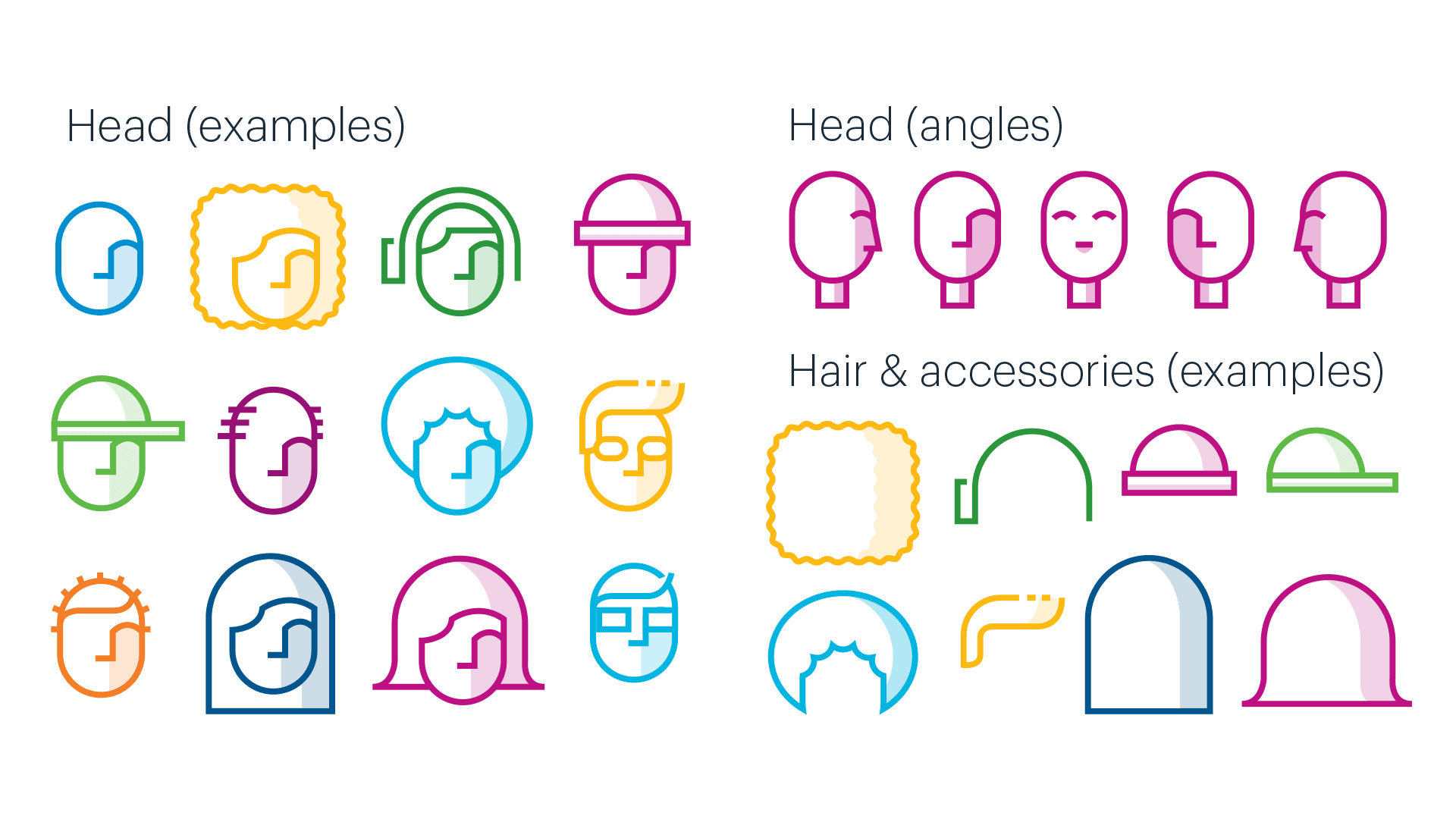
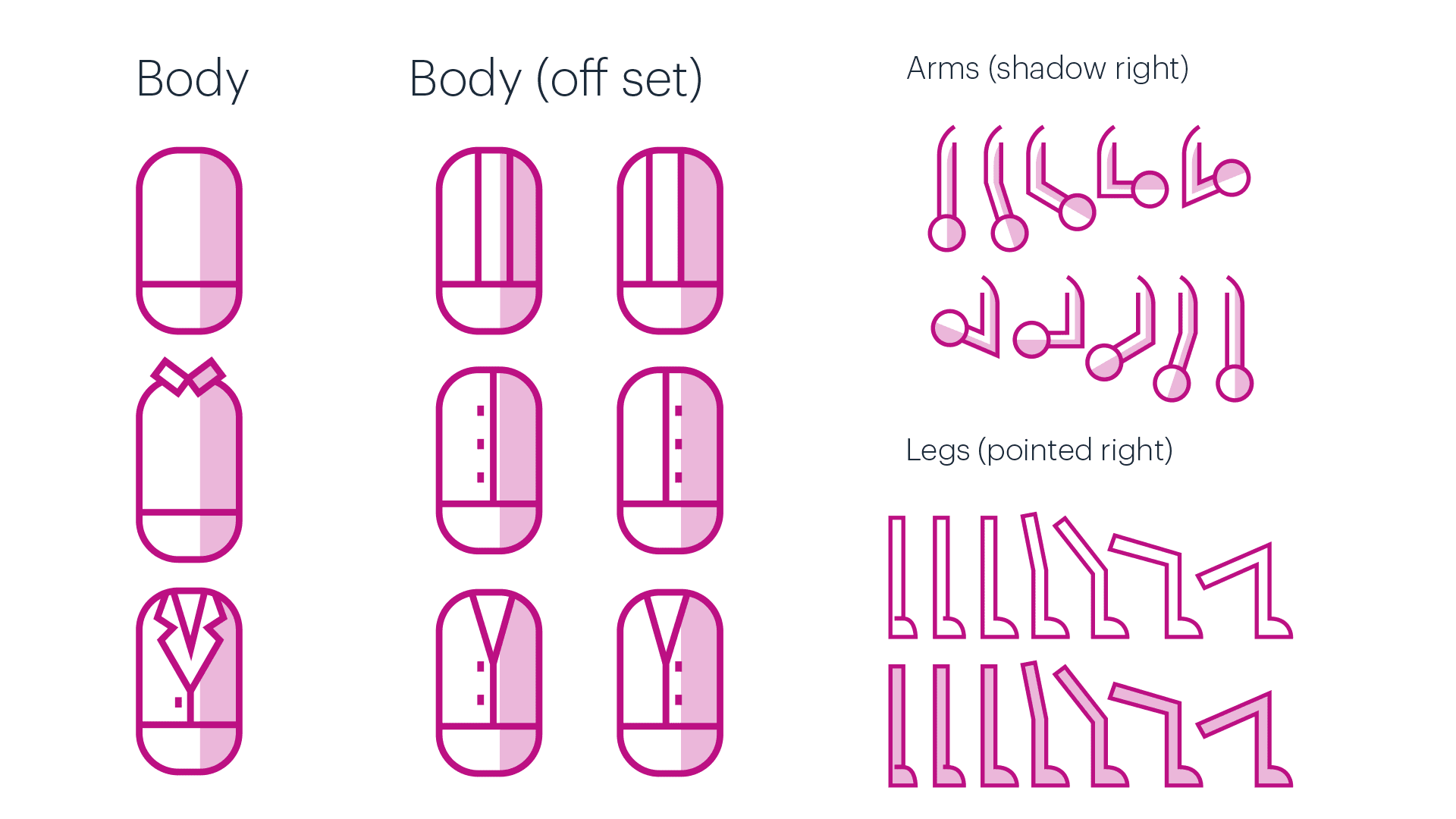


The first project at a new company set the direction for an entire content format. That's not a common way to start.
To build an illustration and storyboard system for Smart Fulfillment that could make an abstract, industry-specific workflow legible to a general audience, perform as a fully animation-ready asset package, and establish a repeatable visual approach for motion content across the OCLC product suite.
Next projects.
(2008-26©)